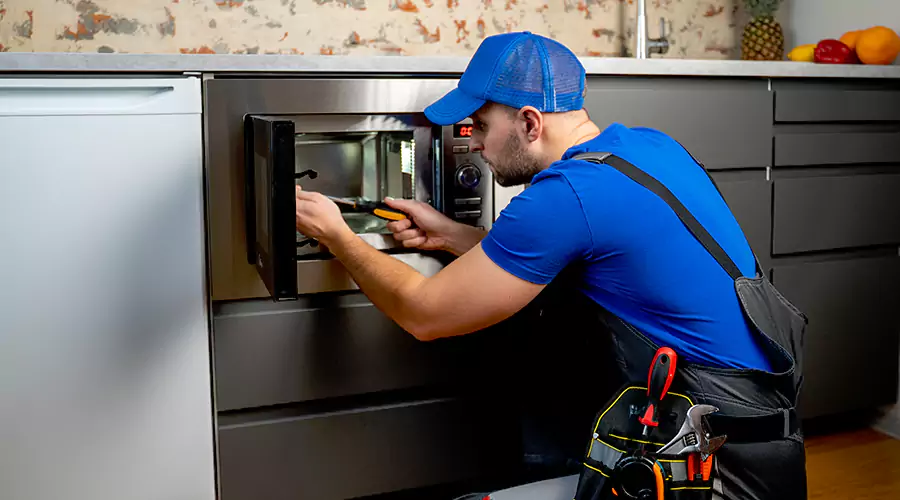
A microwave tripping breaker needs attention because the issue involves heat and electrical safety. The problem can come from the microwave or the circuit that supplies power to it.
A microwave uses heavy power when it starts. A weak outlet or faulty breaker can shut the circuit off during normal use. Internal microwave parts can also trigger the breaker. Stop using the microwave when the breaker trips more than once.
A breaker shuts off power to protect the home from overload or electrical fault. Repeated trips need proper inspection before the microwave is used again.
Why a Microwave Trips the Breaker?
A microwave trips circuit breaker when the electrical load becomes too high or when a fault occurs inside the appliance. This can happen as soon as the microwave starts or after it runs for a few seconds.
Sometimes the issue is simple. The microwave may share a circuit with other high power appliances.
Other times the problem may be inside the microwave. Internal parts can fail and create unsafe electrical conditions.
Common causes include:
- Overloaded kitchen circuit.
- Loose or damaged outlet.
- Faulty door switch.
- Internal fuse failure.
- Bad capacitor.
- Wiring damage.
- Shorted internal part.
- Weak or aging circuit breaker.
Quick Troubleshooting Table
| Problem Sign | Possible Cause | Best Action |
|---|---|---|
| Breaker trips instantly | Shorted part | Stop using the microwave |
| Breaker trips after start | Overload or internal fault | Test outlet safely |
| Microwave shuts off only | Power issue | Check plug and outlet |
| Burning smell appears | Wiring or component fault | Call a technician |
| Other appliances lose power | Shared circuit overload | Remove extra load |
| Microwave has no power | Fuse or outlet issue | Inspect safely |
Start With Basic Safety
A microwave electrical problem should always be handled carefully. Microwaves contain high voltage parts that can remain dangerous even after the unit is unplugged.
Do not open the microwave cabinet unless you are trained to work on high voltage appliances. Internal parts can store electrical charge and cause serious injury.
Before checking anything outside the unit:
- Turn the microwave off.
- Unplug it from the outlet.
- Do not touch internal parts.
- Avoid using extension cords.
- Stop use if you smell burning.
- Call a professional if the breaker trips again.
Check If the Circuit Is Overloaded
A microwave breaker keeps tripping when too many appliances use the same circuit at one time. Try unplugging other appliances on the same circuit. Then run the microwave by itself for a short test.
If the breaker does not trip with other appliances removed, the circuit may be overloaded. A dedicated microwave circuit may be needed in some kitchens.
Avoid moving the microwave to random outlets without checking the circuit rating. Some outlets may not be designed for microwave power needs.
Look for a Short Circuit
A microwave short circuit can cause the breaker to trip immediately. A short circuit is not a normal wear issue that should be ignored. It means electricity may be flowing where it should not.
Warning signs may include:
- Breaker trips the moment the microwave starts.
- You hear a pop inside the unit.
- The microwave smells hot.
- The control panel flickers.
- Sparks appear inside or near the appliance.
Stop using the microwave if these signs appear. Continued use can increase the risk of damage or fire.
Check for Power Problems
A microwave power issue can make the unit shut off or restart during use. The problem can involve the outlet or plug. The breaker can also cause power loss. Internal power parts can also fail.
Start with the outside parts first. Make sure the plug fits tightly in the outlet. Check the cord for damage before using the microwave again. Do not use a microwave with a frayed cord.
Do not use a loose outlet that lets the plug move easily. Hire a professional when the microwave works on one circuit but not another. Home wiring or the breaker needs inspection when the same problem repeats.
When Microwave Repair Is Needed?
Professional microwave repair may be needed when the appliance trips the breaker even on a proper outlet. Internal testing requires special tools and safety training.
A technician can test high voltage components, wiring, fuses, switches, and control parts. This helps identify the real cause instead of guessing.
Repair may make sense for a built in microwave or a newer unit. Replacement may be better for an older countertop microwave with major electrical damage.
Faulty Door Switch Problems
A faulty microwave door switch can cause electrical trouble when the microwave starts. Door switches tell the appliance when the door is fully closed.
If a switch fails, the microwave may not start correctly. In some cases, it may trip the breaker during startup.
Signs of a door switch issue include:
- Microwave starts then stops.
- Breaker trips when you press start.
- Interior light acts strangely.
- Door must be pushed hard to run.
- Control panel works but heating fails.
Door switch replacement should be done carefully because the switch connects to internal circuits.
Capacitor and High Voltage Parts
A microwave capacitor problem is serious because the capacitor can store dangerous electrical charge. This part helps power the heating system inside the microwave.
A failed capacitor may cause humming, no heating, or breaker trips. It should not be tested by an untrained homeowner.
A microwave high voltage diode can also fail and create heating or breaker issues. This part works with the capacitor and magnetron to help produce heat.
Both parts sit in a high voltage section. For safety, leave inspection and replacement to a qualified appliance technician.
Outlet and Circuit Issues
A microwave outlet problem can also cause breaker trips. Look for safe visual signs around the outlet. Discoloration, a burning smell, or a loose plug means the outlet should not be used.
Do not keep resetting the breaker if the outlet looks damaged. Contact an electrician for outlet and circuit inspection.
Overloaded Microwave Circuit
A microwave overload circuit issue happens when the circuit cannot handle the total electrical demand. This is common when several kitchen appliances run at the same time.
Microwaves often need a strong and stable power source. Many homes use dedicated circuits for large kitchen appliances to reduce overload problems.
If your microwave shares power with several outlets, moving other appliances may help. If the breaker still trips, the circuit may need professional evaluation.
Fuse and Wiring Problems
A microwave fuse problem can stop the unit from working or point to a deeper fault. Fuses protect internal parts when excess current or heat occurs.
Replacing a fuse without finding the cause can lead to repeated failure. A blown fuse may be the result of another bad component.
A microwave wiring issue can also trip the breaker or create unsafe operation. Wiring repairs should be handled by a trained technician. Electrical mistakes inside a microwave can be dangerous.
Microwave Keeps Shutting Off
A microwave keeps shutting off when power is interrupted or a safety part detects a fault. The cause may be overheating, weak power, a bad switch, or an internal component issue.
Make sure the vents are not blocked. A microwave needs airflow to keep internal parts from overheating.
If the unit shuts off and the breaker stays on, the issue may be inside the microwave. If the breaker trips every time, the problem may involve the circuit or appliance wiring.
Breaker Trips When Microwave Starts
If the circuit breaker trips when microwave starts, stop and check what else is using power on that circuit. Startup demand can expose an overloaded or weak circuit.
Run the microwave alone after unplugging nearby appliances. If the breaker still trips, do not keep testing it repeatedly.
Repeated breaker resets can hide a real electrical fault. It is safer to have the microwave and circuit inspected.
Microwave Troubleshooting Steps
Basic microwave troubleshooting should focus on safe checks outside the appliance. Do not remove the outer cover or touch internal parts.
Try these steps:
- Unplug other appliances on the same circuit.
- Check if the outlet feels loose.
- Inspect the cord for visible damage.
- Make sure the microwave vents are clear.
- Test with a short heating cycle.
- Stop testing if the breaker trips again.
These steps can help you decide whether the issue is a simple overload or a repair problem.
Microwave Safety Tips
Follow microwave safety tips whenever the appliance acts strangely. Never use a microwave that trips the breaker repeatedly. Do not tape a breaker in place or replace it with a larger breaker without proper electrical evaluation.
Safe habits include:
- Keep vents open.
- Use microwave safe containers.
- Clean spills quickly.
- Avoid metal inside the microwave.
- Do not run the unit empty.
- Schedule service for repeated electrical problems.
When to Call a Professional?
An appliance electrical repair expert should inspect the unit when breaker trips continue after basic checks. Electrical faults can involve both the appliance and the home circuit.
A trained technician can test the microwave safely. An electrician may be needed if the outlet or breaker panel is the real problem.
A microwave repair service is the right choice when the appliance trips the breaker, smells hot, sparks, hums loudly, or shuts off during use.
Final Thoughts
A microwave that trips the circuit breaker should not be ignored. The cause may be an overloaded circuit, bad outlet, faulty switch, blown fuse, wiring issue, capacitor fault, or short circuit.
Start with safe checks such as removing other appliances from the circuit and inspecting the plug and outlet. If the breaker still trips, stop using the microwave and call a qualified professional.
Safe diagnosis protects your appliance, your electrical system, and your home.